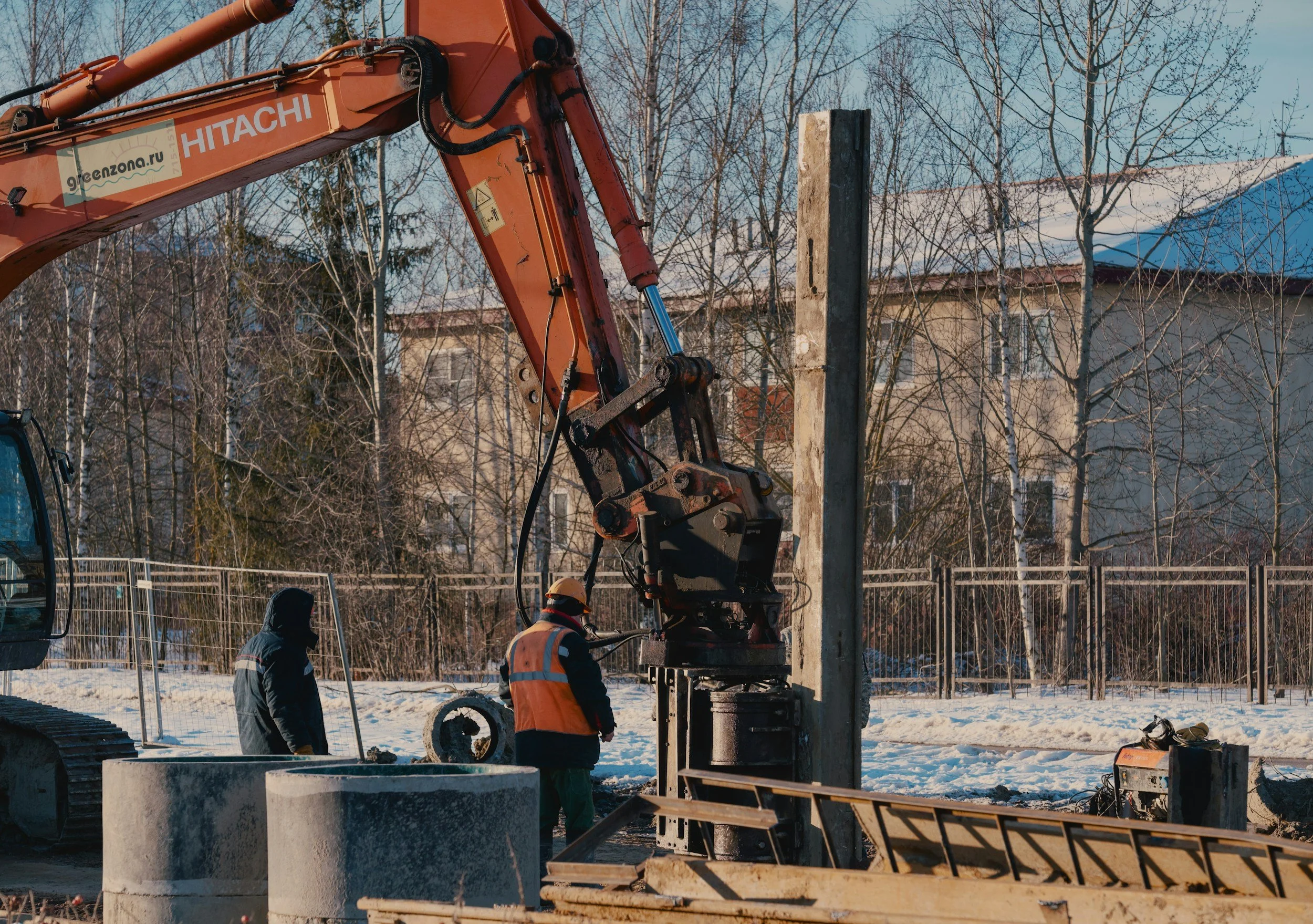
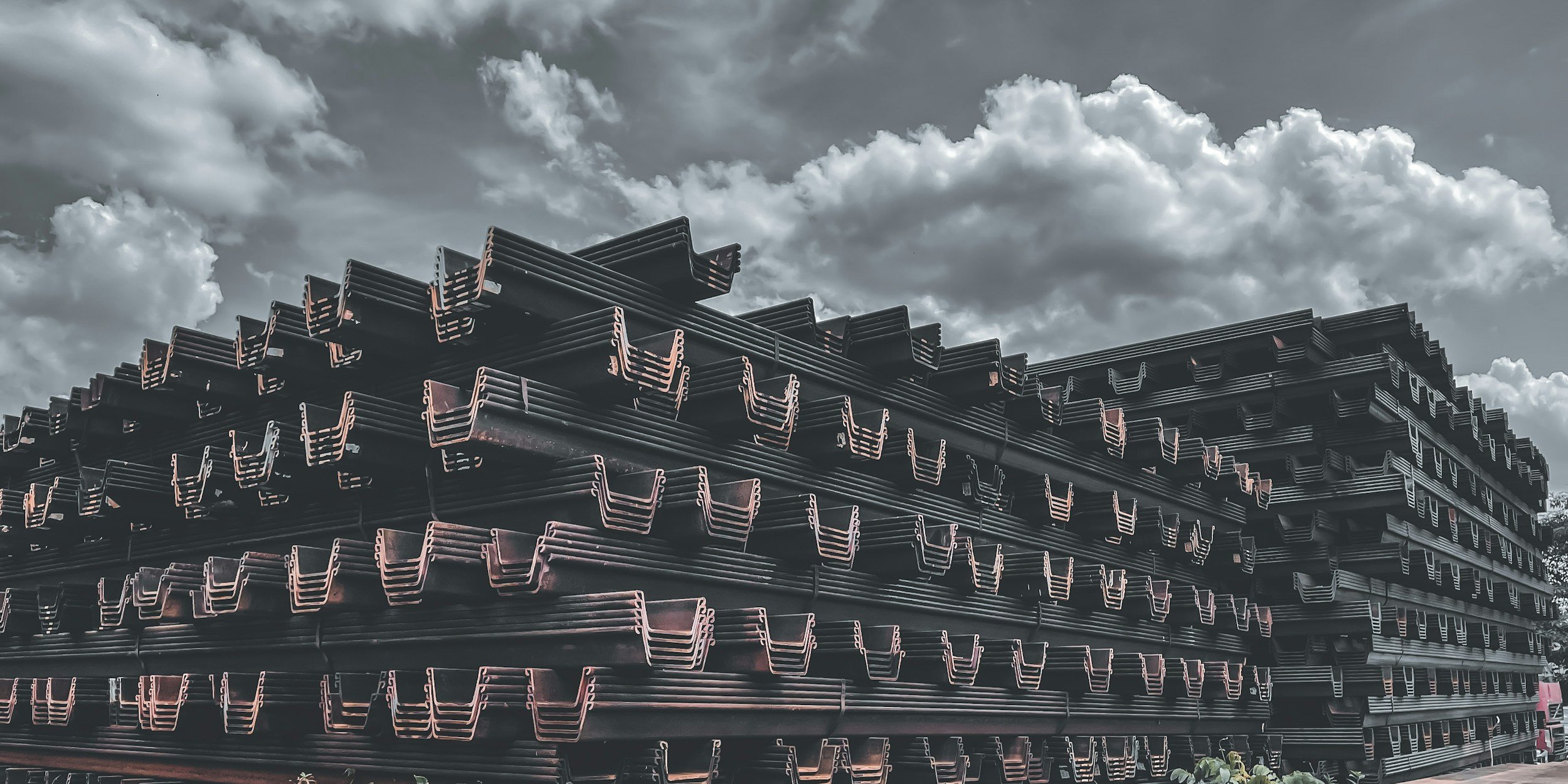
Mega Contracting Ltd. provides comprehensive sheet piling and shoring services across Saudi Arabia, with dedicated teams serving the Khobar and Dammam regions. We handle all types of sheet piling systems and shoring solutions—from initial design and material supply to professional installation, controlled extraction, and detailed site-specific engineering—ensuring safe, efficient temporary and permanent earth retention for projects of varying scale and complexity. In addition to our contracting services, we offer flexible rental options for sheet piles, vibro hammers, and cranes, supported by experienced operators and full on-site technical assistance to help meet project timelines, safety standards, and regulatory requirements. Our integrated approach combines practical field experience with engineering expertise to deliver reliable, cost-effective solutions tailored to each site’s geotechnical conditions and client objectives. We are committed to timely project delivery, strict adherence to safety protocols, and responsive customer support throughout every phase of construction or rental engagement.
Excavation support methods depend on soil conditions, depth, site constraints, and adjacent structures. Sheet piling provides continuous, watertight walls ideal for deep excavations in soft soils, high groundwater, or where dewatering and lateral earth retention are required—common for waterfront work, cofferdams, and basements near sensitive structures. Soldier piling (soldier beams and lagging) is well suited to deeper cuts with limited working space or where intermittent access for beam installation is easier; it offers flexibility for staged excavation and is cost-effective when groundwater control is moderate and a fully sealed wall isn’t necessary. Berliner shoring (also called trench boxes or hydraulic shoring) is preferred for shallow-to-moderate-depth trenches and open excavations where rapid installation, mobility, and worker protection are priorities; it’s typically used for utility trenches and short-duration works in stable soils with low groundwater. Selecting between sheet piling, soldier piling, and Berliner shoring requires assessing soil type, groundwater, excavation depth, nearby structures, project duration, and cost—often a hybrid approach yields the best balance of safety, performance, and budget.
Quality and experience in a contractor directly affect project safety, durability, and long-term cost-effectiveness; skilled teams with proven methods reduce risk of delays, structural failures, and costly rework, while ensuring compliance with local regulations and site-specific challenges such as soil conditions and dewatering needs. Cheap bids may cut corners on materials, equipment maintenance, or qualified supervision—leading to higher lifecycle costs, warranty claims, or reputational damage—whereas an experienced contractor brings tested processes, reliable supply chains, and the ability to anticipate and solve problems proactively, delivering predictable schedules and outcomes that protect your investment.